
Smart Fitness Technology for an Active Lifestyle
Discover how smartwatches, fitness trackers, wireless audio, and connected accessories can support movement, motivation, and more intentional everyday routines.
From morning walks to structured workouts, the right technology can help make active living more convenient without turning every moment into a performance metric.
Explore the Article ↗
A Smarter Approach to Staying Active
Physical activity does not have to mean intensive training or complicated routines. Walking, cycling, recreational exercise, stretching, and other forms of movement can all contribute to an active lifestyle.
Smart fitness technology provides tools that can make these activities easier to organize and observe. Wearable devices may estimate movement, record supported workouts, and display trends over time. Wireless headphones can make music or guided sessions more convenient, while smartphones and connected accessories help keep essential technology available throughout the day.
The purpose of these tools is not to replace personal judgment or professional advice. Instead, they can support awareness, motivation, and practical routines that fit different abilities and preferences.
Recognize useful patterns in movement and activity.
Use realistic goals and progress summaries for encouragement.
Choose tools that work with your lifestyle rather than controlling it.
Technology That Supports Movement
Different devices play different roles in an active routine. Choosing the right combination starts with understanding what each product can offer.
Smartwatches
Combine timekeeping, notifications, supported activity tracking, and convenient smartphone integration in a wearable format.
Fitness Trackers
Focus on movement estimates, activity summaries, and selected wellness trends, often with compact designs.
Wireless Earbuds
Provide portable audio for music, podcasts, or guided workouts without the inconvenience of traditional audio cables.
Portable Power
Compatible power banks and charging accessories help keep phones and other supported devices ready during busy days.

Track Movement With Purpose
Smartwatches and fitness trackers are among the most recognizable tools in connected fitness. They can make daily movement more visible and provide a convenient record of selected activities.
Features vary by device, but the most useful ones are often those that help users identify patterns rather than focus on individual numbers.
Daily Activity Estimates
Review estimated steps and movement patterns to understand how activity changes throughout the week.
Workout Recording
Supported exercise modes can help organize information from walking, running, cycling, and other activities.
Personal Reminders
Optional prompts may encourage movement breaks during long periods of sitting.
Progress Over Time
Weekly and monthly summaries can reveal useful trends without placing excessive importance on a single day.
Move to Your Own Rhythm
Music, podcasts, and guided audio sessions can make certain activities more enjoyable. Wireless earbuds and headphones provide flexible listening options for walking, indoor workouts, and other routines.
The best audio accessory for exercise depends on comfort, secure fit, environmental awareness, and the conditions in which it will be used.
Comfortable Fit
Choose earbuds or headphones that remain comfortable and stable during your preferred activities.
Wireless Freedom
Bluetooth audio can reduce cable interference during movement when paired with compatible devices.
Battery Convenience
Consider playback time and charging case capacity based on how long and how often you listen.
Environmental Awareness
Keep volume at safe levels and remain alert to traffic, people, and other hazards during outdoor activity.

How Smart Fitness Tools Can Help
Technology works best as a supporting tool. Its practical benefits depend on individual goals, device capabilities, and how comfortably it fits into an existing routine.
Greater Awareness
Activity summaries can help people recognize movement patterns and reflect on how they spend their time.
Consistent Motivation
Realistic goals, reminders, and progress views may encourage people to return to activities they enjoy.
Better Organization
Connected devices and apps can make it easier to record sessions and keep selected activity information in one place.
Personal Flexibility
Users can select features that suit walking, home exercise, outdoor recreation, or structured training.
Stay Connected While Outdoors
An active lifestyle often extends beyond indoor workouts. Walking through a neighborhood, exploring a trail, or cycling on a familiar route can offer opportunities to combine movement with time outdoors.
Smartphones, compatible smartwatches, and portable charging accessories can support communication and navigation, but they should complement rather than replace preparation and situational awareness.
Plan Your Route
Use supported navigation tools to explore routes appropriate for your experience and conditions.
Prepare Your Devices
Check battery levels and bring compatible charging equipment for longer outings when useful.
Consider the Environment
Review weather, terrain, visibility, and local conditions before heading out.
Keep Safety First
Stay aware of surroundings and remember that connectivity or location services may not always be available.


Build a Routine That Lasts
Consistency often comes from manageable habits rather than complicated plans. Smart devices can help organize an active day when their features are used selectively.
Set a Realistic Intention
Choose an activity goal that fits your schedule, energy, and abilities.
Take a Movement Break
Use an optional reminder to stand, stretch, or walk when your routine allows.
Focus on the Experience
Record an activity if useful, but prioritize proper technique, comfort, and enjoyment.
Reflect Without Pressure
Review broad trends if helpful and make room for rest and recovery.
Accessories That Fit Your Routine
The usefulness of a fitness device often depends on the details around it. A comfortable watch band, a reliable charging accessory, or a well-fitting phone case can improve how conveniently technology travels with you.
Instead of collecting accessories for their own sake, consider how each item supports the activities you already enjoy.
Watch Bands
Consider comfort, breathability, secure fit, and compatibility with the exact watch model.
Protective Cases
Select cases that fit your phone correctly and suit the environments in which you use it.
Charging Essentials
Verify connector types, charging specifications, and manufacturer recommendations before use.
Audio Accessories
Prioritize secure fit, comfort, suitable moisture resistance, and safe listening habits.

What to Consider Before Buying
The right fitness technology should complement your activities, fit comfortably, and work reliably with the devices you already own.
Device Compatibility
Confirm smartphone operating system support, software requirements, and exact accessory model compatibility.
Comfort & Fit
Consider weight, size, band materials, and whether the product feels comfortable during your preferred activities.
Battery Performance
Review typical battery life under the features you expect to use, including workout tracking and wireless connectivity.
Durability & Resistance
Check manufacturer guidance for moisture, dust, temperature, and other relevant conditions.
Useful Features
Prioritize functions that support your routine rather than paying attention only to the longest feature list.
Privacy & Updates
Review data settings, software support, account security, and whether selected features require subscriptions.
Use Fitness Data Thoughtfully
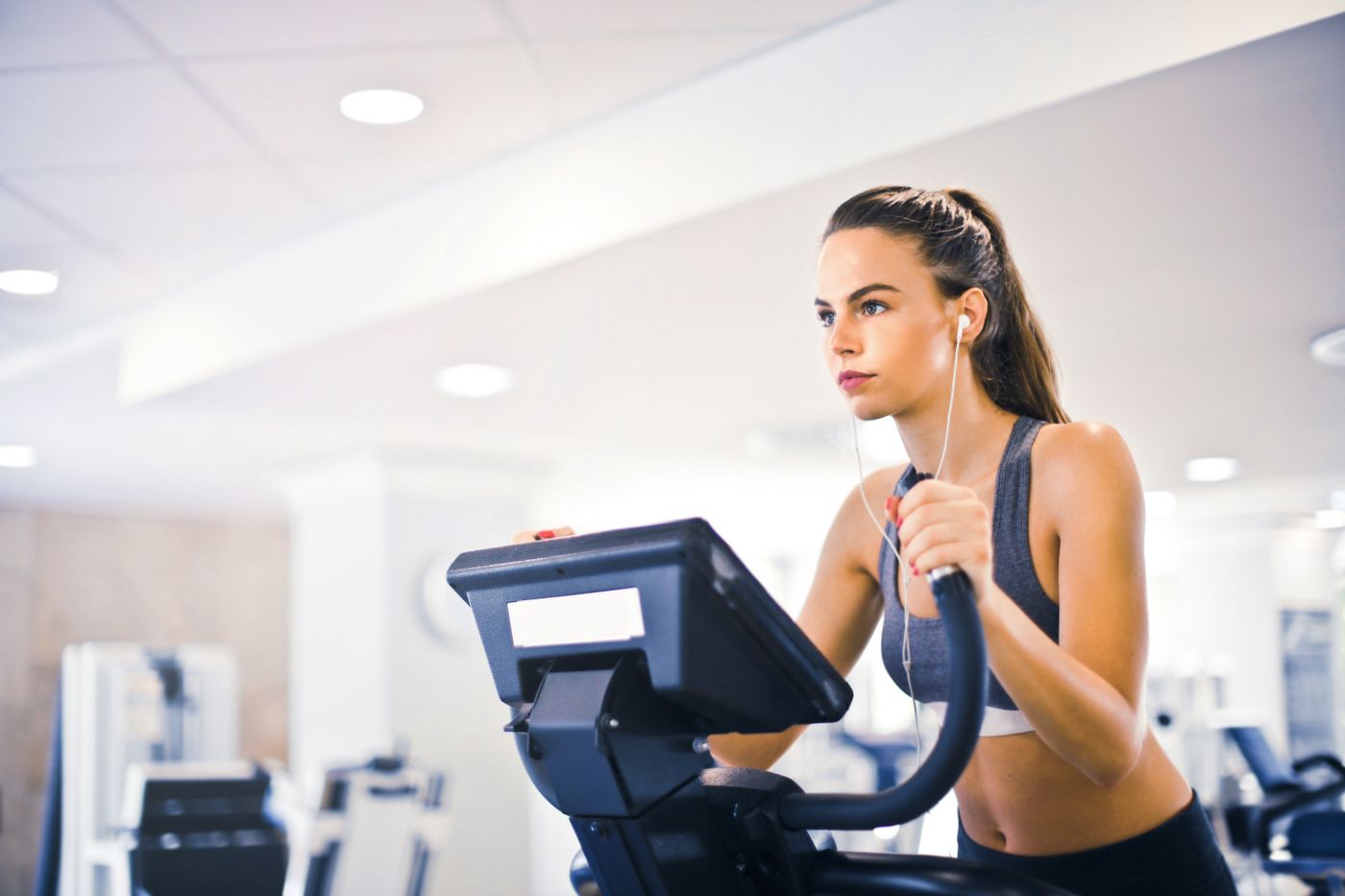
Smart fitness devices can provide useful estimates, but they do not capture every aspect of physical well-being. Building a balanced relationship with fitness technology is just as important as choosing capable hardware.
Use activity summaries to recognize broad patterns rather than treating every reading as a target you must meet.
Rest days and changes in activity are normal parts of a sustainable routine.
Review app permissions, location sharing, account security, and connected services.
Consumer fitness readings are estimates and may vary with device fit, movement, and other conditions.
Consult a qualified professional for medical concerns or advice about exercise with an existing health condition.
Smart Fitness FAQs
Useful answers to common questions about activity tracking, connected accessories, and everyday fitness technology.
Do I need a smartwatch to stay active?
Are fitness tracker step counts accurate?
Can smart fitness devices measure calories burned precisely?
What should I look for in workout earbuds?
Can I use a fitness tracker without internet access?
How important is water resistance for fitness devices?
How often should I review my fitness data?
Move More, Live Connected
Smart fitness technology has introduced convenient ways to observe activity, organize workouts, enjoy audio, and stay connected during everyday movement.
Whether you prefer walking, outdoor recreation, home exercise, or structured training, the most useful devices are those that fit comfortably into your routine and support the activities you enjoy.
Sustainable active living is not defined by perfect scores or constant tracking. It comes from realistic goals, consistent habits, appropriate rest, and an understanding of your individual needs.
Choose technology thoughtfully, use its insights in perspective, and let it support a lifestyle that feels active, balanced, and rewarding.


