
How Innovation Is Shaping the Future of Smart Devices
Smarter technology is changing the way we communicate, work, stay connected, and interact with our surroundings. Explore the innovations redefining everyday devices and the practical possibilities they create.

Innovation Beyond the Screen
Not long ago, many everyday electronic products operated independently. A phone handled communication, a speaker played audio, a watch displayed time, and home lighting relied primarily on manual controls.
Today, connected technologies increasingly allow these devices to exchange information, respond to user preferences, and work together through compatible platforms. A smartwatch can deliver notifications from a phone. Wireless earbuds can switch between supported devices. Smart lights can follow personalized schedules.
Behind these experiences are developments in miniaturized electronics, wireless communication, software, sensors, and computing efficiency. Together, they are creating products that can be more capable without necessarily becoming larger or more complicated.
Yet innovation also introduces questions about privacy, long-term compatibility, repairability, and the value of increasingly connected technology. Understanding both the possibilities and the trade-offs is essential.
Devices can adapt to supported settings, routines, and environmental inputs.
Compatible products can exchange information and support coordinated experiences.
Interfaces and features can increasingly reflect individual needs and preferences.
Four Forces Driving Innovation
Smart devices evolve through the combination of several technologies rather than through a single breakthrough.
Intelligent Software
Algorithms can help devices interpret inputs, organize information, automate supported tasks, and provide more relevant experiences.
Advanced Sensors
Smaller sensors can detect movement, light, proximity, and other conditions, enabling new forms of awareness and interaction.
Wireless Connectivity
Improvements in communication standards support more flexible connections between compatible devices and platforms.
Efficient Hardware
Advances in chips, batteries, and component design help manufacturers balance capability, portability, and power use.
Software That Understands Context
One important direction in device innovation is the development of software that can respond more intelligently to information and user behavior.
Artificial intelligence and machine learning can support features such as speech processing, image enhancement, noise reduction, and recommendations. Depending on the device, some processing happens locally while other functions rely on cloud services.
Smarter Audio
Supported headphones and earbuds can use signal processing to reduce unwanted noise or improve voice clarity.
Adaptive Photography
Computational photography can combine sensor data and software processing to improve certain images.
More Useful Assistance
Compatible devices may support natural-language interactions, summaries, and contextual suggestions.
On-Device Processing
Local processing can improve responsiveness and reduce the need to transmit certain data, depending on implementation.


Homes That Respond More Naturally
Smart home technology is moving toward experiences where compatible devices can coordinate more easily. Lighting, power controls, cameras, and sensors can contribute to a living environment that is more responsive to selected routines.
A well-designed connected home does not require every object to be automated. It focuses on useful interactions that simplify familiar tasks.
Personalized Lighting
Compatible LED lights can support schedules, brightness adjustments, and customized lighting scenes.
Convenient Power Control
Suitable devices can be managed through smart plugs, subject to electrical ratings and manufacturer guidance.
Connected Awareness
Smart cameras and sensors can provide supported notifications and useful information about selected areas.
Cross-Platform Compatibility
Interoperability standards can simplify integration, although supported features still vary between products.
Small Devices, Bigger Possibilities
Some of the most meaningful improvements appear in everyday accessories. Better charging, more versatile connectivity, and refined audio experiences can make existing technology easier to use.
Charging & Power
Wireless charging, compact power banks, and evolving charging standards can make portable device use more convenient. Charging speed and compatibility depend on the specific devices, cables, and power sources.
Wireless Audio
Earbuds, headphones, and portable speakers continue to benefit from improvements in wireless connectivity, battery management, microphone processing, and ergonomic design.
Everyday Connectivity
USB hubs, adapters, and wireless peripherals help connect devices across workstations and mobile setups, with performance determined by supported protocols and specifications.
Wearables Become More Capable
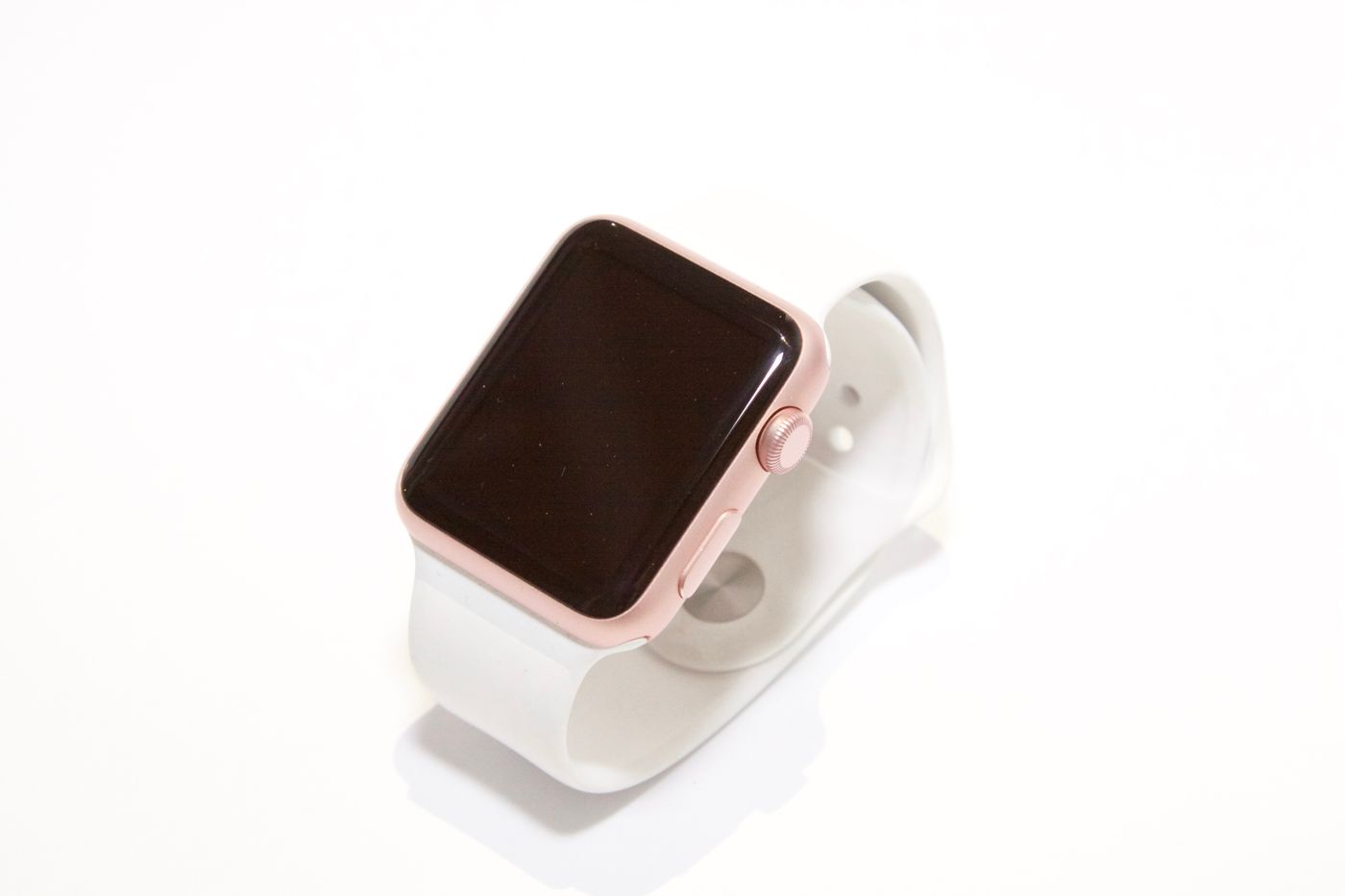
Wearable devices illustrate how advances in compact electronics can bring useful functions closer to everyday life. Smartwatches and fitness trackers can combine notifications, activity estimates, navigation features, and selected wellness information.
Newer designs may offer more efficient sensors, improved displays, better integration with phones, and increasingly personalized software experiences.
Everyday Convenience
Review selected notifications, control supported functions, and access useful information without constantly reaching for a phone.
Activity Awareness
Use estimated movement and exercise information to reflect on habits and support personal goals.
Comfortable Personalization
Compatible bands, watch faces, and notification settings can help adapt a device to different routines.
Responsible Interpretation
General wellness estimates are not substitutes for medical diagnosis or professional health advice.

The Importance of Compatibility
Innovation becomes more useful when devices can communicate reliably. Connectivity standards, operating systems, and software platforms influence how smoothly different products work together.
The industry continues to develop technologies that support more consistent connections, but compatibility remains something buyers should verify rather than assume.
Widely used for short-range connections between compatible headphones, speakers, wearables, and peripherals.
Supports network-based features such as connected home control, updates, and cloud-dependent services.
A versatile connector format, although charging power, data speeds, and video support differ across devices and cables.
Standards such as Matter aim to improve interoperability among supported products, platforms, and ecosystems.
Where Smart Devices May Go Next
These developing directions suggest how future products may evolve. Their adoption, performance, and availability will depend on technical and market progress.
More Local Intelligence
Advances in compact processors may allow more intelligent functions to run directly on devices, potentially improving speed and supporting certain privacy protections.
Better Energy Efficiency
Improvements in hardware and power management could help devices deliver more useful features while managing battery demands.
Stronger Interoperability
Wider support for shared standards may reduce some of the friction involved in connecting products from different manufacturers.
Longer Product Lifecycles
Growing attention to repairability, software support, and material efficiency may influence how devices are designed, maintained, and replaced.
Choose Innovation That Adds Value
New technology can be exciting, but the most advanced product is not always the most appropriate choice. The best purchase is one that fits your existing devices, solves a real problem, and remains useful over time.
Start With Your Needs
Identify which tasks you want to improve before comparing product features.
Verify Compatibility
Check exact model support, operating systems, connection standards, and accessory specifications.
Review Security & Updates
Look for clear information about software support, account protection, and privacy controls.
Consider Long-Term Ownership
Evaluate durability, replacement accessories, battery care, and the availability of ongoing support.
Prioritize Useful Features
A reliable core function can matter more than an extensive list of features you may never use.

Understanding Smart Device Innovation
A closer look at common questions about evolving technology, compatibility, security, and the practical value of new features.
What makes a device genuinely smart?
Does every smart device use artificial intelligence?
Will devices from different brands work together?
Are newer devices always more energy efficient?
Can smart devices function without internet access?
How can I protect my privacy with connected devices?
Should I replace my devices whenever new models launch?
A More Thoughtful Digital Future
The evolution of smart devices reflects a broader shift toward technology that is more connected, responsive, and integrated into everyday life.
Advances in intelligent software, sensors, efficient hardware, and communication standards are opening possibilities across personal accessories, home environments, entertainment, and productivity.
The most meaningful progress will not be measured only by faster processors or larger feature lists. It will also depend on usability, accessibility, security, compatibility, and the ability of products to remain valuable over time.
As innovation continues, thoughtful choices will help ensure that smarter technology leads to simpler, more practical experiences.


