
Wearable Technology and the Evolution of Personal Wellness
From tracking daily movement to understanding sleep patterns, wearable devices are changing how people engage with their everyday well-being.
Discover how smartwatches, fitness trackers, and connected accessories can support greater awareness, more consistent routines, and a more personalized approach to healthy living.
Explore the Guide ↗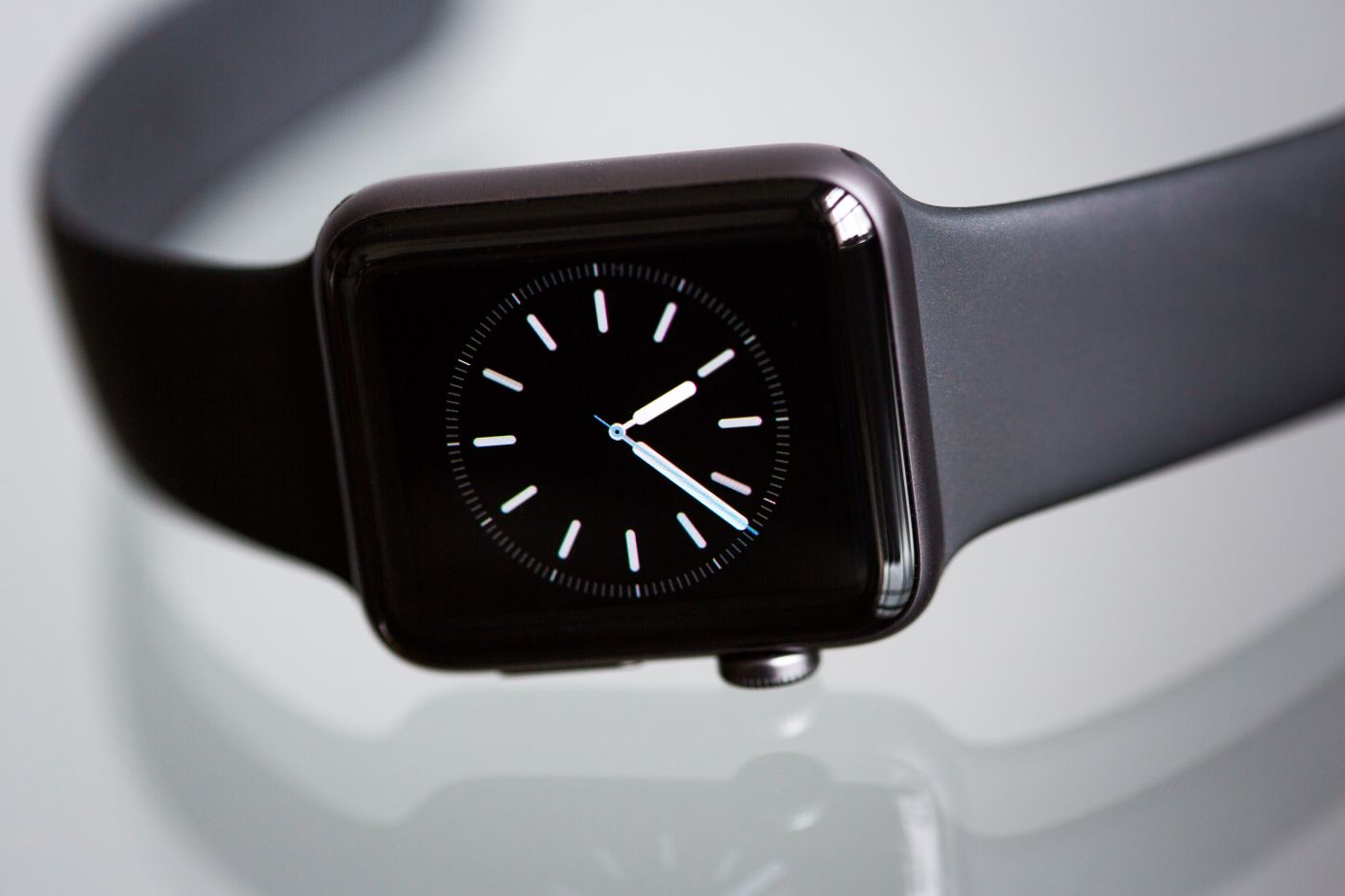
A More Connected View of Wellness
Personal wellness has traditionally been shaped by habits, physical activity, rest, nutrition, and individual awareness. Wearable technology introduces another dimension: the ability to observe selected aspects of everyday life through sensors and digital feedback.
Smartwatches and fitness trackers can record movement, estimate activity levels, monitor certain physiological signals, and present trends through companion applications. These features make it easier to recognize patterns that might otherwise go unnoticed.
However, more information does not automatically create better outcomes. The real opportunity is to use wearable insights as practical guidance while maintaining a balanced understanding of their limitations.
From Simple Tracking to Smart Insights
Wearable devices have progressed from basic activity counters into connected companions with increasingly sophisticated sensors, interfaces, and software.
Activity Counters
Early consumer fitness devices emphasized step counts and movement goals, giving users a simple way to observe daily activity.
Connected Fitness
Wireless syncing and mobile applications made it easier to review activity history, set goals, and monitor longer-term progress.
Smartwatch Integration
Watches brought activity features together with notifications, navigation, communication, and other everyday digital functions.
Personalized Insights
Newer devices use combinations of sensors and algorithms to estimate trends related to activity, sleep, recovery, and personal routines.

Make Daily Movement More Visible
One of the most familiar uses of wearable technology is activity tracking. By estimating steps, movement, and selected workout information, compatible devices can help users understand how physical activity fits into their routines.
The benefit is not necessarily reaching the same number every day. It is becoming more aware of activity patterns and finding sustainable ways to move more often.
Track Everyday Activity
Review estimated steps and movement patterns to understand how active or sedentary different days may be.
Support Personal Goals
Choose realistic activity targets based on your abilities, preferences, and any relevant professional guidance.
Explore Workout Modes
Some devices offer activity profiles for walking, running, cycling, and other exercises, with features varying by model.
Celebrate Consistency
Use progress summaries as encouragement rather than treating every missed target as a setback.
Understand Your Sleep Patterns
Sleep is an essential part of everyday well-being. Many wearable devices provide estimates of sleep duration, timing, and selected sleep-related patterns, helping users reflect on their nighttime routines.
These measurements are useful as general trends, but consumer wearables cannot reliably determine every aspect of sleep quality or diagnose sleep disorders. Their estimates may differ from clinical sleep assessments.
Notice Sleep Timing
Look for patterns in when you go to bed, wake up, and how consistent your schedule is across the week.
Review Longer-Term Trends
Focus on repeated patterns rather than drawing conclusions from a single night's estimated sleep score.
Build a Comfortable Routine
Consider a consistent bedtime, a comfortable environment, and fewer unnecessary nighttime notifications.
Listen to Your Body
How rested you feel matters. Persistent sleep difficulties deserve professional attention regardless of wearable scores.

Wellness Metrics in Perspective
Wearable sensors can offer helpful estimates and trends, but the meaning and reliability of each measurement depend on the device, sensor technology, software, fit, and conditions of use.
Heart Rate
Optical sensors on many devices estimate pulse rate. Readings may be less accurate during intense movement, poor sensor contact, or certain environmental conditions.
Step Count
Motion sensors estimate steps and movement. Results can vary with walking style, wrist movement, and how the device is worn.
Sleep Estimates
Wearables may infer sleep periods using motion and physiological signals. Sleep-stage estimates are not equivalent to clinical testing.
Recovery Indicators
Some devices combine measures such as heart rate variability and sleep estimates into proprietary readiness scores that require careful interpretation.

A Wearable in Everyday Life
The most practical wearable routines are often simple. Instead of checking every available metric, identify a few features that genuinely help you stay organized, active, or aware of your habits.
Review the Bigger Picture
Check useful overnight trends without allowing a single score to determine how you feel about the day.
Break Up Long Sitting Periods
Optional movement reminders can encourage short breaks during desk-based routines.
Record Meaningful Activity
Use supported workout tracking to review sessions while respecting your comfort and physical limits.
Reduce Digital Distractions
Configure quiet hours or notification controls to help create a calmer transition toward bedtime.
The Details That Improve Daily Wear
A wearable device can have impressive features and still feel inconvenient if it does not fit comfortably or suit your lifestyle. Bands, charging accessories, device size, and display preferences all affect how consistently you use it.
Choosing accessories thoughtfully can make your smartwatch or tracker more practical for work, exercise, and everyday activities.
Choose a Comfortable Band
Consider materials, breathability, skin sensitivity, and the activities for which you will wear the device.
Check Band Compatibility
Match the accessory to the exact watch model, case size, and attachment mechanism.
Maintain a Reliable Charge
Use compatible charging equipment and develop a routine that keeps your device ready without interrupting your day.
Keep the Sensor Area Clean
Follow manufacturer guidance for cleaning and fit, especially after exercise or exposure to moisture.

What to Look for in a Wearable
The right device depends on your priorities. Compare the features you will actually use rather than choosing solely by the longest specification list.
Comfort & Fit
Consider weight, case dimensions, band adjustability, and whether the device feels comfortable during long periods of wear.
Battery Life
Review typical battery performance with the features you intend to use. Continuous tracking, GPS, and bright displays can affect endurance.
Phone Compatibility
Confirm support for your smartphone operating system, companion application, and required software version.
Tracking Features
Decide whether your priorities are basic activity tracking, workout modes, sleep trends, notifications, or other supported functions.
Durability
Check water-resistance ratings, intended operating conditions, and manufacturer guidance before using a device during specific activities.
Privacy & Support
Review data controls, account security, update policies, warranty terms, and whether key features require a subscription.
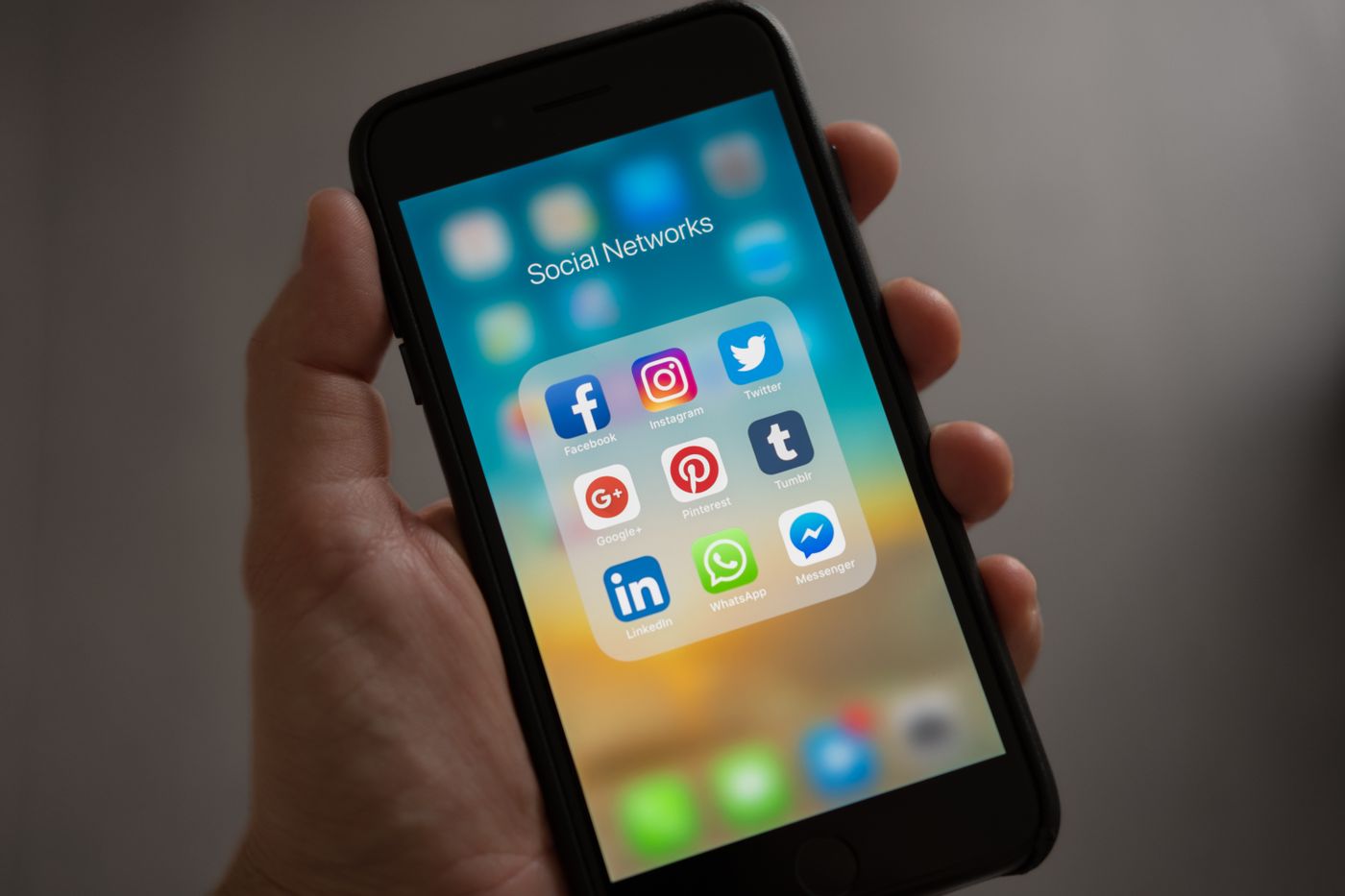
Protect Your Personal Data
Wearables can collect sensitive information about daily activity, location, and physiological patterns. Understanding how this information is stored, shared, and controlled is an important part of choosing and using a device.
Allow only the access needed for features you intend to use, including location and background activity permissions.
Use a strong unique password and enable multifactor authentication when supported.
Read the manufacturer's privacy information and review any connected third-party applications.
Install supported security updates and remove unused integrations that no longer serve a purpose.
Disable unnecessary alerts or metrics if constant monitoring becomes distracting or stressful.
Wearable Questions Answered
Understanding the capabilities and limitations of wearable technology can help you make more confident choices.
Are smartwatches and fitness trackers the same?
Can a wearable accurately measure calories burned?
Can a smartwatch diagnose health conditions?
Should I wear a tracker while sleeping?
Do wearable devices need a smartphone?
How often should I review my wellness data?
What should I prioritize when buying a smartwatch?
Wellness Beyond the Numbers
Wearable technology has made personal activity and wellness information more accessible than ever. Smartwatches and fitness trackers can encourage awareness, support routines, and offer a convenient way to observe selected patterns over time.
Their greatest value comes from being used thoughtfully. A device can provide useful feedback, but it cannot fully capture how someone feels, the complexity of individual health, or the importance of professional guidance.
Choose technology that fits your lifestyle, protects your privacy, and helps you build sustainable habits. When wearable innovation is paired with realistic expectations, it can become a useful companion rather than another source of pressure.


